Astragalus (synonyms: Astragalus membranaceus, Radix Astragali, milk vetch root, Huang Qi) is considered in Traditional Chinese Medicine as the "guardian of the interfaces (skin and mucous membranes)" and thus as a premier herb for the immune system. In complementary medicine, Astragalus has accordingly long been used as a tonic and regulatory agent for both allergies and susceptibility to infections.
While side effects such as fatigue are often observed with anti-allergic drugs, natural therapy with Astragalus actually shows additional positive effects.
The following illustration from a review on Astragalus shows the 9 most important effects that can be attributed to Astragalus polysaccharides (APS).

Image citation: FIGURE 1 Nine pharmacological effects of APS. This figure shows the most highlighted nine effects in studies on APS. Published online 2020 Mar 24. doi: 10.3389/fphar.2020.00349
The 9 most important effects of Astragalus
- antiviral
- antibacterial
- immunoregulatory (anti-allergic)
- organ-protective (against organ fibrosis)
- anticarcinogenic (against tumors)
- blood sugar regulating
- blood lipid regulating
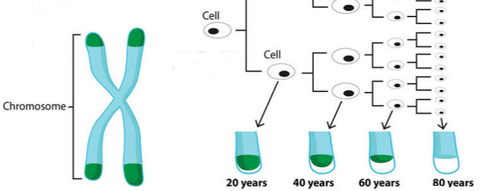
- rejuvenating (via the effect on telomeres)
Here you will find studies on Astragalus, particularly regarding allergies:
Berger et al. Die Traganthwurzel: Mit gestärktem Immunsystem und weniger Beschwerden durch die Pollensaison! Forschungsgruppe Aerobiologie und Polleninformation, HNO-Klinik, Medizinische Universität Wien
Shen, M. et al. Effect of Traditional Chinese Medicine on Allergic Rhinitis in Children under Data Mining. Comput Math Methods Med. 2022 Jun
Yu, S. et al. Research progress of astragaloside IV in the treatment of atopic diseases. Biomed Pharmacother. 2022 Dec;156:
Li, C.-X. et al. Astragalus polysaccharide: a review of its immunomodulatory effect. Arch Pharm Res. 2022 Jun;45(6):367-389.
Zheng Y et al. A Review of the Pharmacological Action of Astragalus Polysaccharide. Froent. Pharm. 2020; 11: 349
Qi, Y. et al. Anti-Inflammatory and Immunostimulatory Activities of Astragalosides. Am J Chin Med. 2017;45(6):1157–67.
Zhang, C. et al. Effect of Astragalus membranaceus on Peripheral Blood Th17 in Patients with Allergic Rhinitis. Zhongguo Zhong Xi Yi Jie He Za Zhi. 2016 Nov;36(11):1364-1368.
Lee DY, Noh HJ, Choi J, Lee KH, Lee MH, Lee JH, et al. Anti-inflammatory cycloartane-type saponins of astragalus membranaceus. Molecules. 2013;18:3725–32
Wan, C. P. et al. Astragaloside II triggers T cell activation through regulation of CD45 protein tyrosine phosphatase activity. Acta Pharmacol Sin. 2013 Apr; 34(4):522–30.
Yuan x, Sun S, Wang S, Sun Y. Effects of astragaloside IV on IFN-gamma level and prolonged airway dysfunction in a murine model of chronic asthma. Planta Med. 2011;77(4):3328 – 33
Matkovic, Z. et al. Efficacy and safety of Astragalus membranaceus in the treatment of patients with seasonal allergic rhinitis. Phytother Res. 2010 Feb;24(2):175-81.
Matkovic, Z. et al. Efficacy and safety of Astragalus membranaceus in the treatment of patients with seasonal allergic rhinitis. Phytother Res. 2010 Feb;24(2):175-81.
Bell ML, Kenward MG, Fairclough DL, Zhang W-J, Hufnagl P, Binder BR, Wojta J. Antiinflammatory activity of astragaloside IV is mediated by inhibition of NF-kappaB activation and adhesion molecule expression. Thromb Haemost. 2003;90:904–14