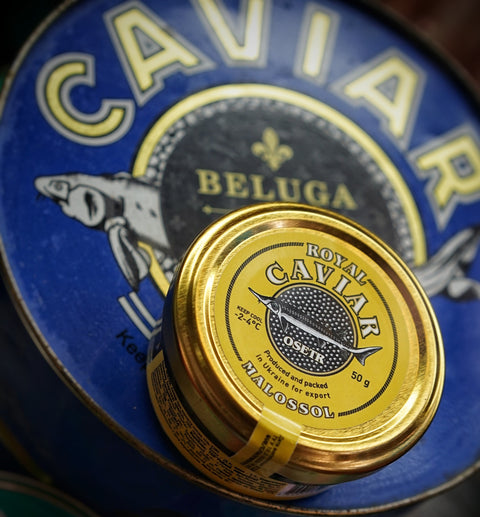
The metalloid boron is an ultra-trace element with diverse and vital functions, which make it necessary for the health of plants, animals, humans, and, as recent research suggests, possibly also for the evolution of life on Earth. Boric acid is used in the food industry as an antioxidant to preserve genuine caviar. This keeps the best caviar in top condition!
A review article summarizes the most important effects for humans.
The following effects can be attributed to boron:
- essential for the growth and maintenance of bones
- significantly improves wound healing
- has a positive effect on the proper metabolism of estrogen, testosterone, and vitamin D
- regulates the calcium, magnesium, phosphorus, and vitamin D balance (boron reduces, for example, calcium and magnesium loss through urine).
- reduces the level of inflammatory biomarkers such as CRP and TNF
- acts as an anti-inflammatory, among other things, by inhibiting cyclooxygenase and lipoxygenase, interacting with NF-κB, and reducing leukotriene synthesis and ROS formation (respiratory burst↓).
- increases the levels of antioxidant enzymes such as superoxide dismutase (SOD), catalase, and glutathione peroxidase
- protects against pesticide-induced oxidative stress and heavy metal toxicity
- improves the electrical activity of the brain, cognitive performance, and short-term memory, especially in older people
- influences the formation and activity of important biomolecules such as S-adenosylmethionine (SAM-e) and nicotinamide adenine dinucleotide (NAD+);
- showed preventive and therapeutic effects on a number of cancers such as prostate, cervical, and lung cancer as well as multiple and non-Hodgkin lymphoma (boron acts, among other things, as a PSA inhibitor and can reduce the incidence of prostate cancer by 64%)
- can help to mitigate the adverse effects of conventional chemotherapy drugs.
In numerous studies, it was consistently shown that the positive effects were only detectable at a dose of 3 mg/day of boron.
The German Federal Institute for Risk Assessment (BfR) recommends taking no more than 0.5 milligrams of boron per day via food supplements.
The European Food Safety Authority (EFSA) has classified boron as a non-essential (vital) nutrient and has so far seen no physiological or biochemical benefit for humans from boron supplementation.
No estimated average requirements (EARs) or dietary reference intakes (DRIs) have been set for boron – only a tolerable upper intake level (UL) of 20 mg/day for individuals aged ≥ 18 years.
The significant number of scientific studies with positive benefits and a lack of evidence of side effects supports considering a boron supplementation of 3 mg/day for everyone, especially in cases of unbalanced diets and corresponding risk factors.
Pizzorno Nothing Boring about Boron. Integr Med (Encinitas) 2015 Aug;14(4):35-48
Häschke, D., Stahlmann, R.: Wunderwaffe Bor? Deutsche Apothekerzeitung No. 50, p. 54. Accessed on 01/20/2023
Gröber, U.; Kisters, K (2015): Das Ultraspurenelement Bor. OM-Zs. F. Orthomol.Med. (4): 9-15. Accessed on 01/20/2023
Photo by Robert Anasch on Unsplash